Waxing Cross-Country Skis: Glide Wax, Grip Wax and Waxless Skis
Waxing decides how well a ski glides over the snow and how well it grips when you push off. The wrong wax can ruin a whole outing, because the ski either glides poorly or slips backward under your foot. Which wax goes where depends on your technique and on the type of ski.
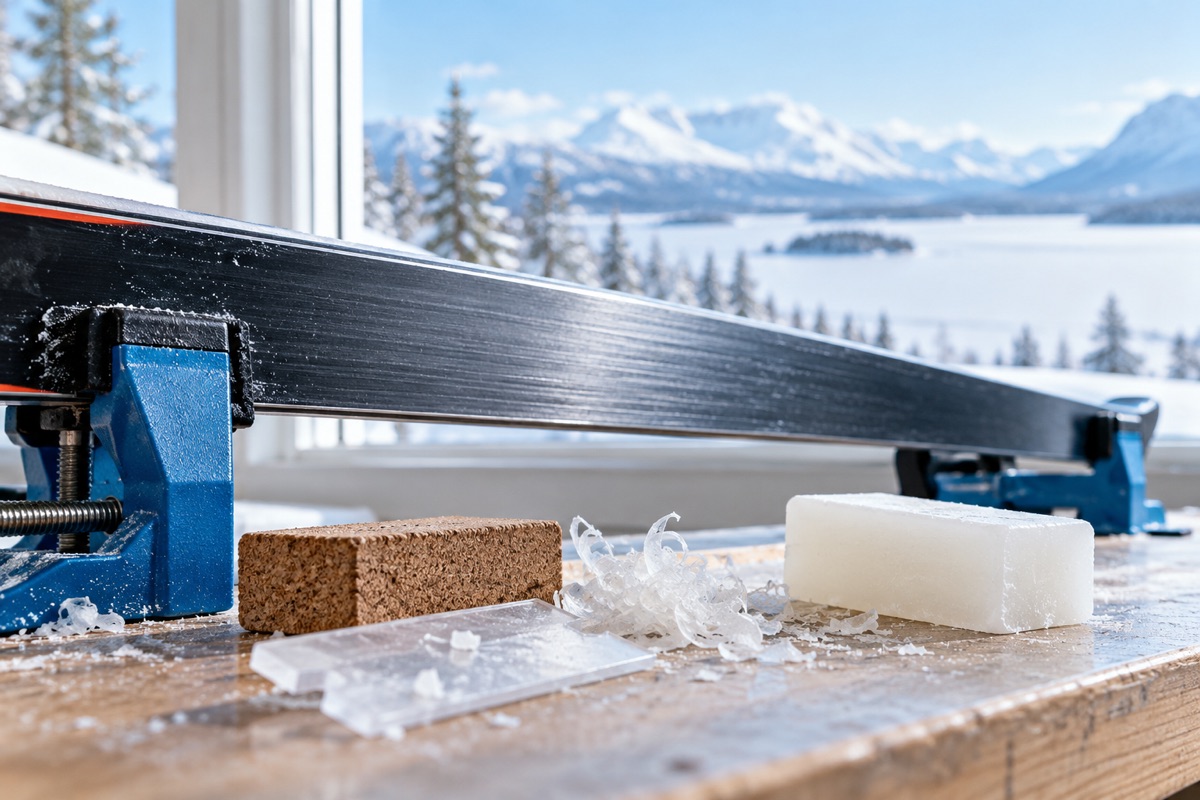
Glide Wax: What Is It and Where Does It Go?
Glide wax goes on the glide zones of the ski. On classic skis, these sit at the front and the back. The middle stays free for grip wax. Glide wax improves glide, which is why it belongs in the care of every pair of cross-country skis.
On skating skis, the entire base is treated with glide wax, including the middle.
Wax comes in three forms: cold wax, hot wax and liquid wax. Hot waxing uses an iron. Application varies from one wax to another, so follow the manufacturer's directions and go carefully if you are unsure.
Grip Wax: How Does It Work and How Do You Choose?
Grip wax goes into the grip zone under your foot and keeps the ski from slipping backward when you push off. It belongs only in the middle of the ski, which is left free when you apply glide wax.
Grip wax comes as hard wax and as klister. Hard wax suits cold, crystalline snow below about 30 degrees Fahrenheit. Klister is meant for ice and wet snow above freezing. The temperature ranges can vary by manufacturer, so the notes on each product are what count.
Besides temperature, the type of snow on the trail also matters when you choose. The thermometer alone does not tell you whether the snow is crystalline or wet.
Waxless Skis: Do They Need Wax?
Waxless skis have a mechanical grip zone and so need no grip wax. Preparing them comes down to applying glide wax, which improves glide just as it does on any other ski.
For beginners this simplifies upkeep: you only look after the glide zones, because the design of the ski provides the grip. Waxless skis therefore take less preparation than classic skis with grip wax. Whether you use cold wax, hot wax or liquid wax is a matter of the manufacturer's instructions.
How Do You Approach Waxing?
On classic skis, you apply glide wax at the front and back and grip wax under the foot. Skating skis get glide wax over the whole base, and waxless skis need only glide wax in the glide zones. Before choosing and applying any wax, follow the manufacturer's recommendations on temperature ranges and application.